The agency offers an architectural approach that demonstrates sensitivity to human and landscape aspects regarding the creation of unique contemporary projects that are perfectly integrated within their environment. Based on ethical and ecological choices, each project is adapted to both the clients’ specific needs and the intrinsic qualities of the site.
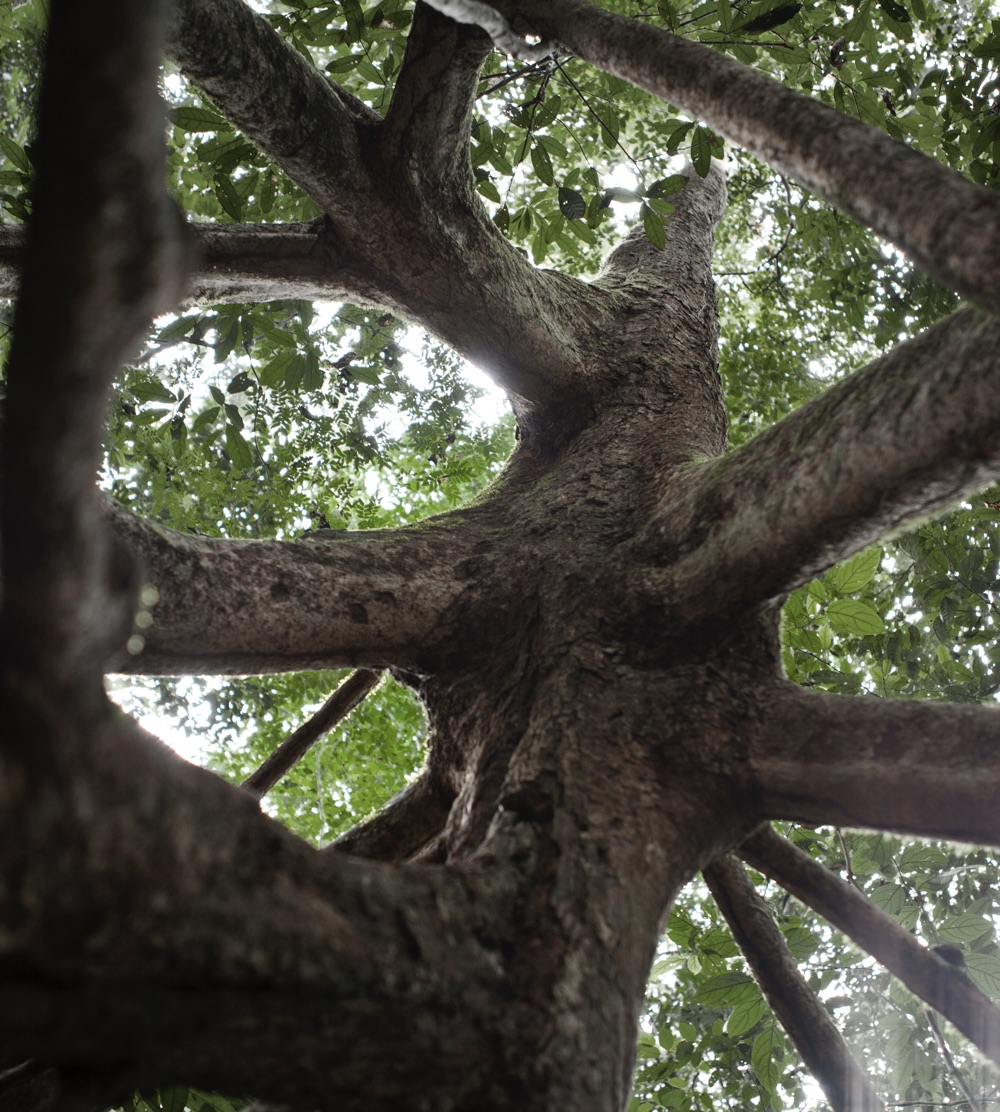
Contemplative architecture
Architecture is envisioned as a tool for transforming territories, capable of connecting the cultural, social, ecological, and economic dimensions of a place.
Each project becomes a perceptible landmark within the landscape, shaping how it is discovered, inhabited, and understood. It is rooted in existing dynamics — both visible and invisible — drawing on local knowledge, cultural practices, and sensitive relationships with the territory.
Beyond construction, the goal is to design meaningful spaces that reveal the qualities of their surroundings and invite attentive, immersive experiences. Architecture thus becomes a platform for contemplation, as well as understanding and appropriation.
This approach, grounded in sustainable design, places humans, communities, and the built environment in interrelation with the landscape in which they exist.
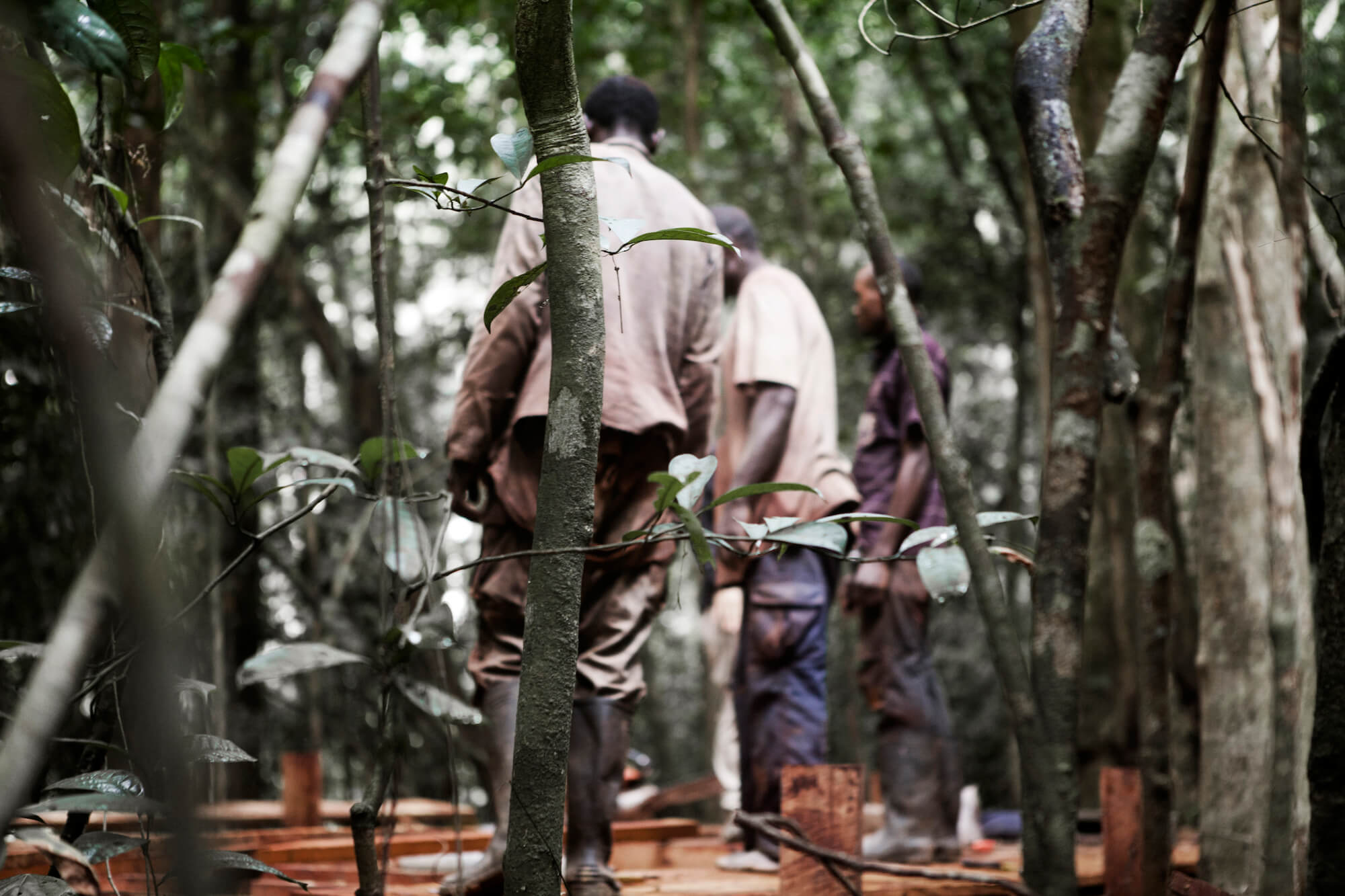
Indigenous architecture
Building with communities. Reimagining territories.
The firm offers a committed approach, conceiving architecture as a lever for autonomy, resilience, and the valorization of living knowledge. Its work is rooted in co-construction with Indigenous communities, creating deep connections between cultural heritage, territorial ecology, and the built environment.
Drawing on hands-on experience with the Innu community of Pessamit and a doctoral research project on heritage as a tool for sustainable Indigenous tourism, the founder supports communities in designing rooted, meaningful spaces that respect identities. Through collaborative processes, she works to reveal the spatial, cultural, and contemplative potential of places often marginalized by the Anthropocene and extractive dynamics.
Our mission: to use architecture to reveal territories, valorize Indigenous knowledge, and support sustainable, cultural, and collective projects. We design projects where architecture, culture, and local economy are conceived as an integrated system.
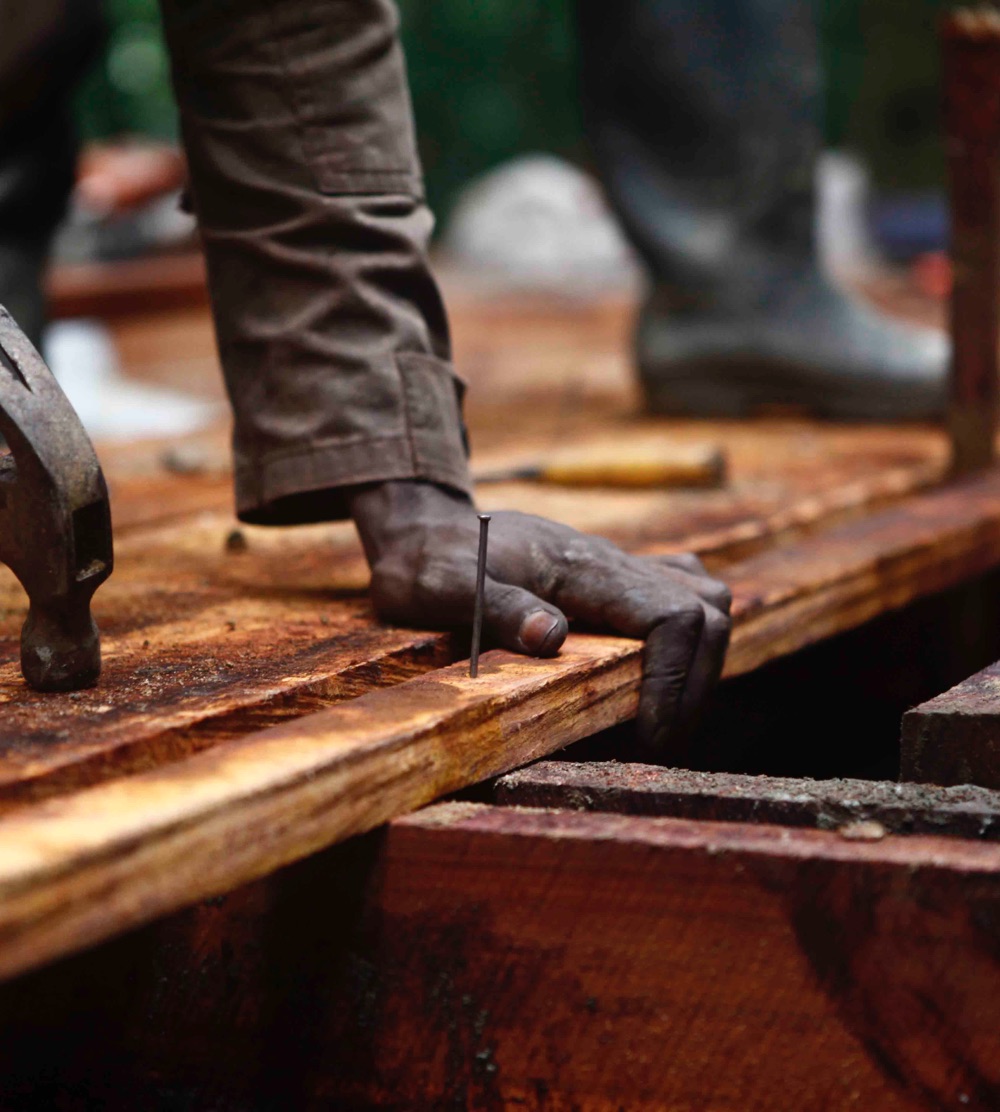
Collective architecture
In parallel to its practice, the firm works on the Paysages fragilisés project. This research project aims to strengthen relationships between fragile territories, their once-malleable limits, local populations, and architecture.
By providing the possibility of formalizing and qualifying these relationships, architecture becomes a vector of change to improve the living conditions of these populations. Indeed, through community participation in project deployment, the architect’s work can play a role in supporting the ecological, economic, and contemplative development of these territories that are often fragile as a result of anthropogenic activities.
Our practice : a methodology for integrating cultural heritage at the heart of architectural project
Identify
Understand the cultural context in all its complexity: practices, narratives, uses, ecological knowledge, and relationships to the territory.
Translate
Transform these elements into concrete architectural decisions — spatial organization, materiality, program, and design interventions.
Activate
Design spaces that allow for appropriation, transmission, and the daily enactment of cultural practices.
Sustain
Embed the project in sustainable dynamics, strengthening local capacities and exploring economic models rooted in the territory, particularly through tourism and community initiatives.

Feasibility studies and expertise
Evaluation of the feasibility of a project based on the site, budgets, and specific timelines. Analysis of the regulations in force and preparation of documents required for permits.

Design
Creation of aesthetic and sustainable solutions to bring customers’ needs to life.

Quote analysis
Customer guidance for the selection of various stakeholders.

Building site surveillance
Customer representation at the building site and verification of workmanship quality, all while coordinating various stakeholders.